
TradeMagellan
Empower Your Trade with Flexible Data Intelligence
TradeMagellan offers flexible import/export intelligence subscriptions for international trade professionals to discover real partners, understand competitors, and build resilient supply chains.
30B+
Shipment Records
220+
Countries Covered
50M+
Companies Tracked

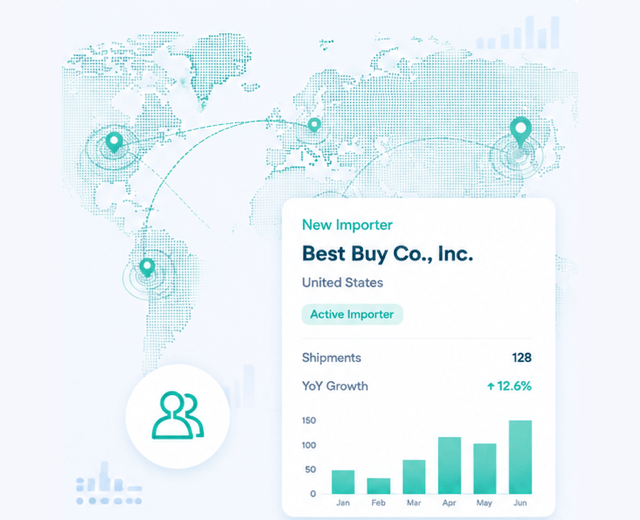
01 Find New Opportunities
Discover verified buyers, suppliers, and active trade relationships from billions of shipment records.
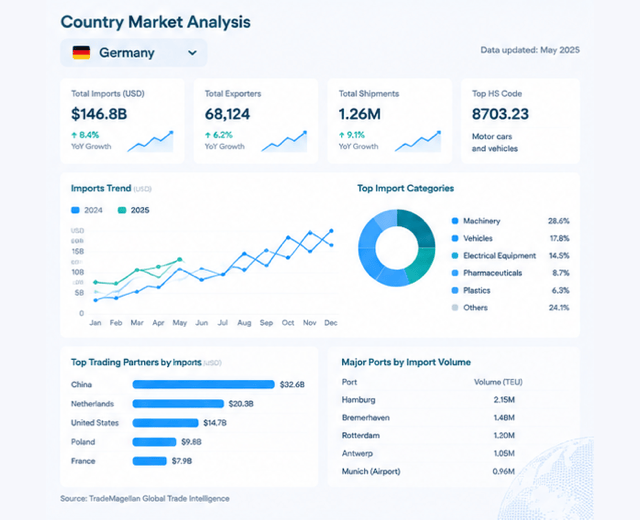
02 Market Intelligence
Analyze competitors, products, and global demand trends with real shipment intelligence.
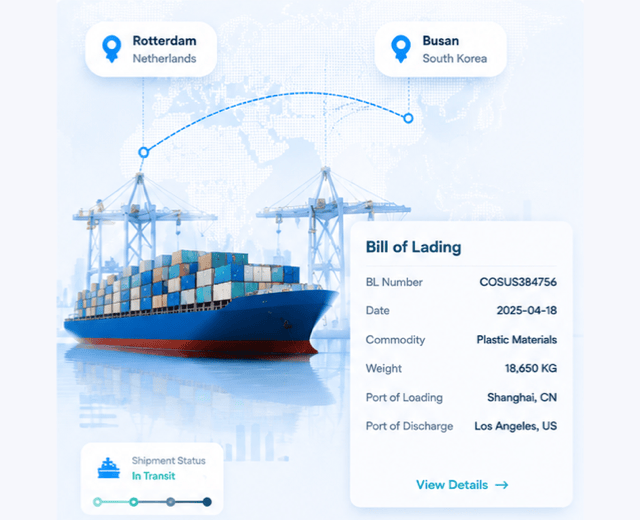
03 Supply Chain Visibility
Trace real shipment activities, identify trade corridors, and uncover hidden supply chain opportunities.
Powerful Tools Behind Trade Intelligence
Comprehensive data and advanced analytics for every trade professional.






Live Trade Opportunities
Real importers with recent shipments looking for new suppliers
Envogue Styles Global Llp
Importer
 +1
+1Empresa Individual De Responsabilidad LTDA.
Importer
 +5
+5Last Brand Inc Quince
Importer
Ferreyros Sociedad Anónima
Importer Supplier
+18PT. Trakindo Utama
Importer Supplier
 +13
+13Superdeporte S.A.
Importer Supplier
+31Mitsubishi Motors Corporation
Importer Supplier
+2Cfmoto Mexico Power S. R.L. De C.V.
Importer Supplier

Yamaha Motor Philippines INC.
Importer Supplier
+7Trusted by importers, manufacturers and analysts worldwide
Join thousands of businesses growing their global trade
As a small business owner, finding reliable global buyers was always a challenge. TradeMagellan made it easy.
It helped us expand our network quickly and efficiently.
Simple Pricing
All plans include Global Import and Export Customs Clearance Data (Bill of Lading Data), encompassing: