HS Code 071080: Frozen Vegetables, Baby Corn & Lemongrass Classification Guide
In global frozen food supply chains, any inconsistency in product classification can trigger customs holds, penalties, or costly delays. HS code 071080 sits at the heart of a high‑volume, highly diversified category: frozen vegetables that don’t fall neatly into the reserved subheadings for potatoes, peas, beans, spinach, or sweet corn. Drawing on real shipment records from TradeMagellan’s customs intelligence platform, this analysis clarifies the code’s official scope, demonstrates how leading exporters actually use it, and explains why benchmarking against top players is one of the most effective ways to reduce misclassification risk.
What Does HS Code 071080 Officially Cover?
Within the Harmonized System, heading 07.10 encompasses vegetables (whether uncooked or cooked by steaming or boiling in water) that are frozen. Subheading 071080 is the catch‑all for “other vegetables” — that is, frozen vegetables not specifically classified under the preceding subheadings (0710.10 through 0710.40 and the leguminous vegetable blocks 0710.21/022/029). In practice, this includes dozens of commercially traded items, from frozen baby corn and lemongrass to frozen broccoli, cauliflower, asparagus, peppers, and mixed vegetable medleys that are not legume‑ or potato‑dominant.
Real‑World Documentation: How Industry Leaders Use 071080
Official customs manuals can only describe the theoretical boundaries of a code. TradeMagellan’s live trade data reveals how multinational food companies actually declare products under HS 071080, offering a practical blueprint for compliance teams. Recent shipment records show that major shippers consistently assign this code to a range of frozen vegetable products, confirming the market’s interpretation of “other vegetables.”
Selected Companies & Product Descriptions under HS 071080
| Company | Example Declared Product |
|---|---|
| AIR WATER AGRI FOODS INC | FROZEN VEGETABLES |
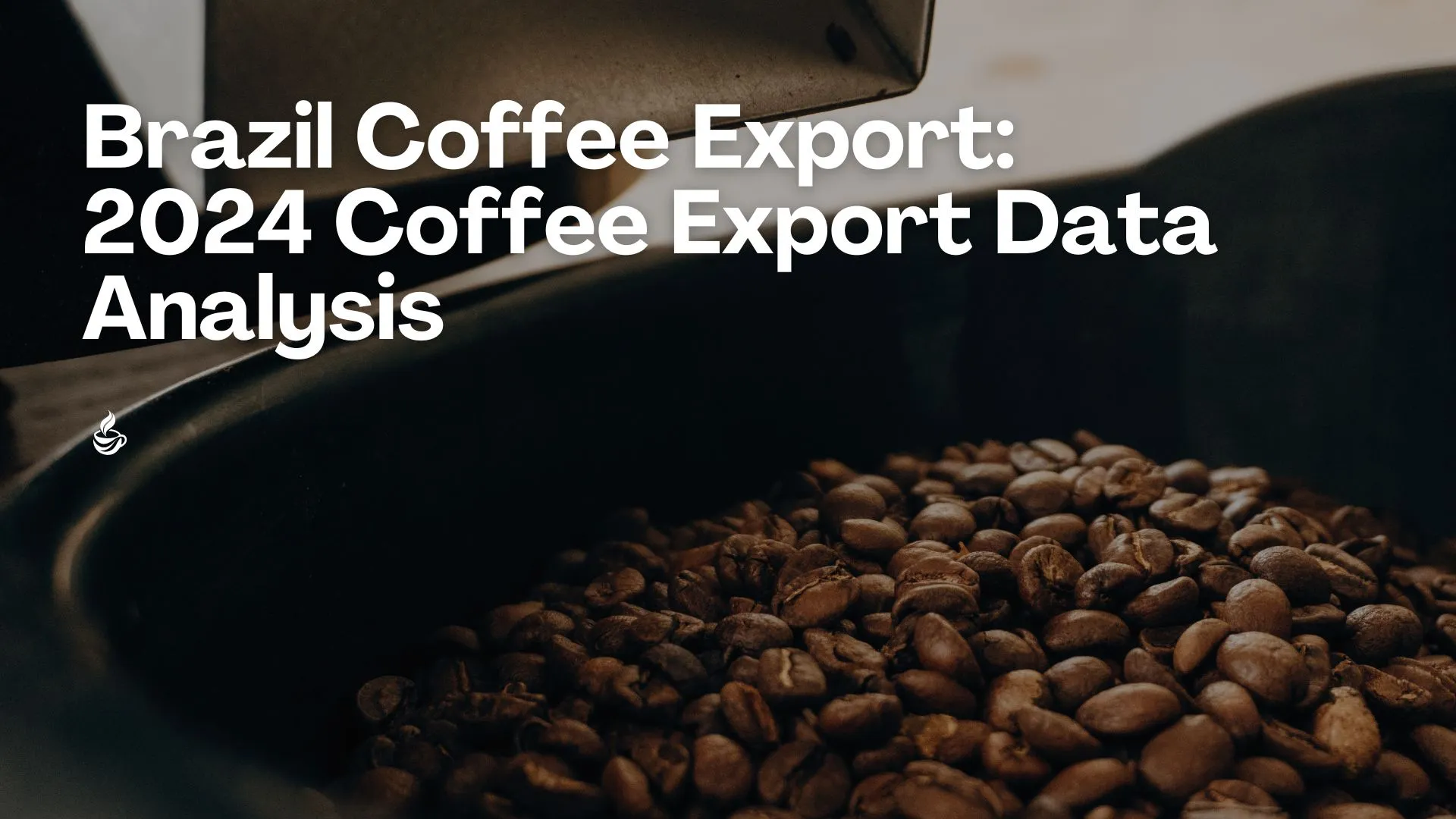
| SUPERIOR FOODS INTERNATIONAL | BABY CORN GROSS WT: 7.80/PAC (PACKED IN CORRUGATED BOXES NET WT. 7.28) |
| IZUX CO LTD | FROZEN VEGETABLES |
| NATURES TOUCH FROZEN FOODS LLC. | LEMONGRASS |
| VLM FOODS USA LTD. | FROZEN VEGETABLES |
Notable observations from this sample:
- Frozen baby corn is consistently routed through 071080 — not 0710.40, which is reserved for sweet corn. This distinction is critical because misusing the sweet corn subheading can lead to reclassification audits.
- Lemongrass, while sometimes considered a herb or aromatic, appears under 071080 as a frozen vegetable item, reflecting the Harmonized System’s pragmatic treatment of edible plant parts that don’t fit elsewhere.
- Generic “FROZEN VEGETABLES” declarations by companies like AIR WATER AGRI FOODS INC and IZUX CO LTD show that mixed vegetable blends or unspecified vegetable types are confidently placed in 071080, leveraging the code’s residual character.
Why Tracking Major Importers & Exporters Reduces Misclassification Risk
Every HS code carries a degree of interpretative risk, and 071080 is no exception. A frozen vegetable mixture could theoretically be argued to fall under 0710.90 (mixtures of vegetables), but if a shipper treats it as a single “other vegetable” category, they may incorrectly use 071080. Conversely, attempting to force an item like frozen baby corn into the sweet corn subheading 0710.40 is a common error. By studying the actual declarations of top‑tier traders — like those highlighted above — importers, exporters, and customs brokers gain a real‑world compass that complements the legal text of the tariff schedule.
TradeMagellan’s approach captures these patterns at scale, allowing users to:
- Identify which products the most active shippers in your commodity segment consistently assign to a code.
- Cross‑reference competitor filings to validate your own classification decisions before submission.
- Flag possible red flags when a supplier’s declaration strongly deviates from the industry norm.
When a company the size of SUPERIOR FOODS INTERNATIONAL files detailed entries like “BABY CORN … NET WT. 7.28” under 071080, it reinforces that this code is the market‑accepted home for frozen baby corn — a signal that customs authorities are likely to accept if your paperwork mirrors the same practice.
Beyond the Definition: Using Trade Data to Strengthen Your HS Code Justification
At its core, HS 071080 is not merely a bureaucratic label; it’s a strategic entry point to international trade compliance. The companies mentioned in this analysis operate across continents and have a strong incentive to get their HS codes right on every shipment. Benchmarking against their historical filings transforms an abstract customs rule into a defensible, evidence‑backed decision. Whether you’re shipping frozen lemongrass sticks, individually quick‑frozen baby corn, or a mixed vegetable box, connecting your product to the visible trade patterns of industry leaders helps build a robust classification memo that holds up under customs scrutiny.
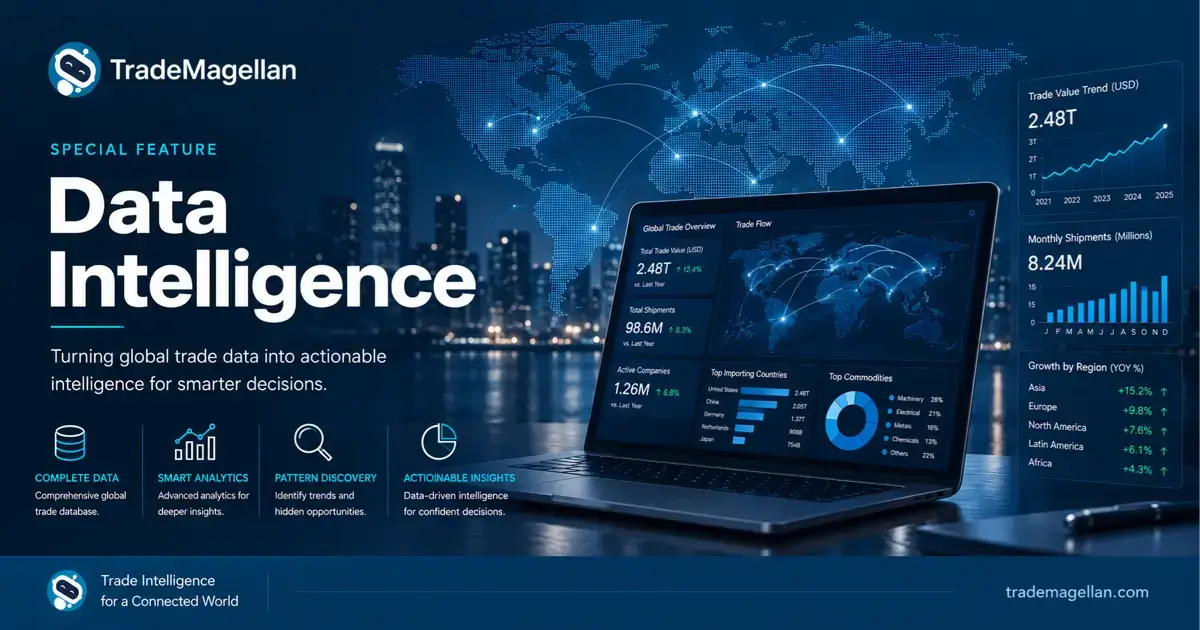
TradeMagellan’s supply chain intelligence platform continuously monitors over millions of customs declarations, enabling businesses to map competitive classification strategies, monitor tariff code migration over time, and receive proactive alerts when a key HS code within their product portfolio faces regulatory updates. For trade professionals dealing with temperature‑controlled vegetable supply chains, that level of visibility transforms HS code management from a back‑office chore into a competitive advantage.