HS Code 830990: How Industry Giants Classify Plugs, Covers, and Base Metal Closures
Navigating the Harmonized System can be deceptive. A seemingly straightforward heading like 830990 often becomes a grey area when buyers, suppliers, and customs authorities interpret product descriptions differently. TradeMagellan’s customs data reveals how major multinationals consistently declare their goods under this code, providing a practical benchmark for your own tariff classification.
What Exactly Falls Under HS Code 830990?
Under the international Harmonized System, heading 83.09 covers “Stoppers, caps and lids (including crown corks, screw caps and pouring stoppers), capsules for bottles, threaded bungs, bung covers, seals and other packing accessories, of base metal.” More specifically, HS Code 830990 designates all such closures and packing accessories that are not elsewhere specified — typically plugs, covers, caps, and similar items made predominantly of base metal. The code excludes stoppers with measuring or dispensing functions, which may fall into other chapters, and does not apply to closures made wholly of plastics or rubber even if they contain minor metal components.
The official explanatory notes further clarify that this subheading captures a wide range of industrial and consumer closures: from simple metal plugs for drums to crown corks for beverage bottles and tamper-evident lids for food jars. The unifying factor is the base metal construction and the primary function of sealing or closing a container.
Real-World Declarations: How Top Importers and Exporters Use 830990
While the legal text is formulaic, actual trade data tells a richer story. TradeMagellan’s proprietary shipping records show that multiple leading corporations consistently file their goods under 830990 using localized product descriptions. These are not theoretical examples — they reflect actual customs declarations captured in supply‑chain transactions.
Snapshot of Declarations Linked to HS Code 830990
| Declaring Entity | Product Description as Declared |
|---|---|
| UL COSTA RICA SCC S.A | LAIN-LAIN SUMBAT ATAU PENUTUP LAINNYA: PLUG |
| FABRICA DE ENVASES S.A. FADESA | COVER |
| FADESA-MANTA S.A. | COVER |
| LECHE GLORIA SOCIEDAD ANONIMA - GLORIA S.A. | COVER |
| CENTURY PACIFIC FOOD INC. | CAP |
The first observation is linguistic diversity. “LAIN-LAIN SUMBAT ATAU PENUTUP LAINNYA: PLUG” is an Indonesian/Malay description translating roughly to “other plugs or other closures: plug.” UL COSTA RICA SCC S.A, despite being a Costa Rican entity, moves goods through Southeast Asian trade lanes where local language descriptors are accepted. Meanwhile, Gloria S.A. — one of Latin America’s largest dairy and food conglomerates — uses the straightforward English term “COVER,” and Century Pacific Food, a Philippine household name in canned goods, simply declares “CAP.”
FADESA (Fabrica de Envases S.A.) and its affiliate FADESA-MANTA, both major packaging manufacturers in Ecuador, repeatedly declare “COVER” under this subheading. Their shipments typically involve metal lids for food cans and industrial pails. Such consistency across hundreds of shipments per year demonstrates that for large‑scale packaging suppliers, 830990 is the default code for base metal closures without complex mechanisms.
Why Studying Classification Patterns of Industry Leaders Reduces Misclassification Risk
Tariff misclassification is not a minor clerical error. It can trigger customs audits, retroactive duty demands, penalties, and supply‑chain delays. The challenge is particularly acute with HS Code 830990 because several adjacent codes exist for similar goods: plastic closures fall under Chapter 39, crown corks of specific materials may appear in 8309.10, and sealing caps with measuring features can be pulled into Chapter 84. Customs authorities in different jurisdictions also enforce divergent rulings.
By analyzing the actual filing behavior of global corporations like Gloria, Century Pacific Food, and FADESA, importers and exporters acquire a defensible compliance reference. These enterprises operate their own trade compliance departments and often secure binding tariff rulings. While a private company’s declaration does not constitute a legal precedent, the repeated, uncontested use of 830990 for plain metal plugs, covers, and caps strongly suggests that this is the lowest‑risk classification path. Adopting a similar approach — and documenting it with a customs ruling or an internal classification memo — can substantially protect your shipments from dispute.
TradeMagellan’s data further indicates that many of these shipments move between Latin America, Southeast Asia, and the United States without triggering reclassification actions. That clean trade history serves as a practical signal: when you align your product descriptions and HS codes with the patterns observed in high‑volume, compliant supply chains, you are effectively pressure‑testing your own classification against real‑world customs outcomes.
Applying This Intelligence to Your Own HS Code Assignments
Take a closer look at the metal closures in your inventory — whether simple bungs, threaded caps for industrial drums, or slip‑on covers for food tins. Ask yourself: Is the preponderant material base metal? Is the primary function sealing without dispensing? If the answer is yes, 830990 is likely your correct code. Then cross‑reference with the data tables above. If your goods match the plain‑language descriptions “PLUG,” “COVER,” or “CAP” and your transaction profile resembles that of the listed companies, you have a strong starting point for classification.
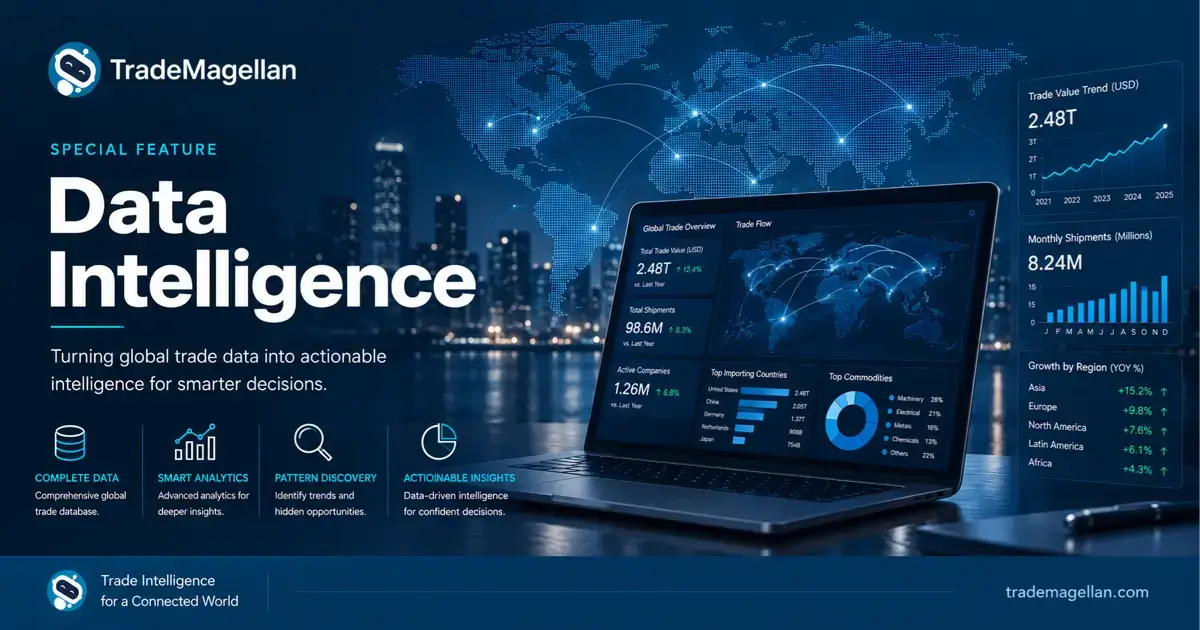
TradeMagellan’s platform can help you go deeper. You can filter actual shipment records by HS code, company name, and product keyword to see how competitors and partners classify similar articles. This turns anecdotal evidence into a verified compliance strategy, reducing the guesswork that often leads to expensive customs problems.
All trade data referenced in this analysis is sourced from official customs records and bills of lading, compiled and standardized by the TradeMagellan supply chain intelligence unit. Classification decisions should always be confirmed with a licensed customs broker or through a formal binding ruling.